When I first came to this city, I was keen to visit all the different places in Mumbai. I asked many of my friends, colleagues for their recommendations. But I was disappointed when I got answers such as 'Nothing much, you can either go to Juhu Beach or Girgaon Chowpaty' or 'We have never thought of it' or 'We are so tired with the travel throughout the week that we prefer to stay home on weekends, we hardly go out in Mumbai.'. After talking to many people I got a list of standard places (I had mostly heard of and visited during 'Mumbai Darshan' tour in my childhood), such as Worli Sea Face, Girgaon Chowpaty, Juhu Beach, CST station, Nariman Point, Nehru Plenetorium (but I was also told that it is ideal for kids) , Haji Ali, Mahalaxmi temple, Babulnath temple etc. and some went as far as Elephanta caves.
Sure this city must have something more to offer. A city established 300-400 years ago, with influence of Portuguese, British culture, with people from varied background settling here for decades (including Parsi/Zoroastrian community, Jews, Christians, and people from all the possible corners of India), the city must be more than few popular tourist attractions.
As I started searching for all possible sources (TripAdvisor, Lonely Planet etc.), I started finding some interesting places which were less heard of - Kanheri Caves (Situated in Borivali National Park, Kanheri caves were carved out of the hills dating back to 1st century BC), Kala Ghoda Art Festival (Art festival happening in Mumbai during First Saturday of February till second Sunday of February i.e. 10 days of creativity, fun, emotions and a lot to learn), Mt. Mary Church in Bandra, Gilbert Hill Andheri and the exploration continues.
We have set a tradition of doing something different or at least trying some new restaurant for every birthday and anniversary. This year we decided to try one of the walking tours of Mumbai. We opted for 'Apollo Gate and The Front Bay Walk' by Raconteur walks. The walk lived up to the name of the group. The guide was a student, in his early 20s along with couple of more trainee guides (younger than him). It was easy going tour with fun filled facts such as how & why Mumbai was given as a wedding gift to Prince Charles by Portuguese, where did the prince thought Mumbai was located when he received it, how the old day Mumbai looked like (with maps and photos available in St. Thomas Cathadral), how the first person building ships was selected and how it rained gold in Mumbai (literally). The group had lot of fun filled, interesting, never-heard-of anecdotes to offer which made the tour very interesting indeed. We had passed some of the buildings and areas of this tour, in past without realising their historical significance. The tour gave us all new perspective towards modern day Mumbai.
This tour also made us realise that there are so many different groups offering walking & cycling tours of different parts of Mumbai. It also opened up the possibilities of finding more such hidden gems in the city, which led us to the second exploration - The street arts in Bandra.
Sunday, December 27, 2015
Wednesday, December 17, 2014
Mumbai Marathon - A festival to celebrate life
Morning chills, fog and body's protest against getting out of bed, winter is here!!! Since my childhood, I have had memories associated with winter. Be it wrapping myself in the blankets, nice hot cutting chai, warming myself up near campfire while returning from morning walks in my childhood, soaking in warm sunshine in hostel grounds on lazy Sunday mornings when in college, late night hangouts with friends with thick jackets as only defense against cold wind, traveling from Pune to Shirdi at 4.30 in the morning at 6o C, layering up knee length woolen socks over 120 denier tights in London's cold, dark mornings; warm breeze while eneering any super store in London or feeling hot chocolate warming me all the way from mouth to stomach. Life is all about these feelings, experiences and memories. What I hadnt realised was there were new additions to this list in recent years, until this morning.
I had stayed up late last night, hanging out with a friend in an impromptu plan, and had decided not to wake up early, ditching my morning walk. I was so resolute of sleeping till late that I had put an alarm for 8.30 am. I was woken up by the maid early morning as usual, and was happy to go back to sleep unlike other mornings, when arrival of maid mean only 30 minutes of more sleep. What surprised me though that my body refused to go back to sleep. While I was all prepared to sleep till late, resolute not to feel guilty ditching my morning dose of exercise, my body actually wanted it. After futile attempts for few more minutes, I finally decided to give up and listen to my body. I got ready and left for the morning walk. The view of lake, mountains and sound of chirping birds greeted me with bright smile. Without conscious thinking, I started jogging slowly, with a thought somewhere deep down inside me - 'Mumbai Marathon is just a month away'. I was pleasantly surprised. I dont claim to be a half or full marathoner or even a short run pro, I have been going for a dream run in Mumbai marathon, only for last 2 years. And yet now it seems to have become a part of me, a part of my winter memories. With that reminder, my mind flooded with all the memories associated with Mumbai Marathon. First time I heard about it about 9-10 years ago, when I read about it in the newspaper. I was a lazy, couch potato then. Waking up early, going for walks or runs, and being present for the run at 6 am in the January cold, sounded like a fairy land to me, a place where I would wish to visit, but would never visit in reality.
Three years ago, after returning to Mumbai, I was looking for options. Options to live my life, options to do something different I will enjoy, something I will look forward to, something which will motivate me to continue my healthy habits (which I had picked up after hard efforts), something where I will get to see, meet new interesting people. It was a random morning in June or July, and I was feeling nostalgic and blue. I was missing London as usual and was dragging myself to go to office. While traveling to office a thought came to me in a lightening flash, how about Mumbai Marathon. I vaguely remembered that it happens sometime in winter. I didnt know when does the registration start nor what were the categories (of distances) or entry criteria. As soon as I reached office, I sat down to find about it more, before the daily rut pulls me down towards the pit. It had 3 categories - 42 kms (beyond my dreams), 21 kms (yeah, maybe in few years time) and dream run 6 kms (this sounds like me). Bingo!! I was bang on time. The registrations for Dream run were opening next day 10 am. My decision to register was very easy & instant. Wish my journey to the day was as smooth and instant as the decision. I was ready next morning, sharp at 10 with all the necessary details and registered as soon as it opened. I was thrilled when I received a mail few day later, confirming my participation.
Then started a struggle, struggle with myself. I had never run in my life, least of all not even in a school race. I had hardly played any sports. All I had with me were couple of walk experiences done in UK and a bit of treadmill walks done in gym (that too in recent years). As the day neared my struggle with myself increased without any solid action. I kept telling myself that I must practice, I should at least be able to finish (vivid pictures of me giving up half way cluttered my mind), I should have enough stamina to run for 6 kms (I couldnt even run 100m at a stretch by December) and many more more self doubts. By the time December ended, I was full of dread, self loathing and despair. I wanted to run the marathon, I was accepted as a participant, I had 6 months in my hand and I had done nothing. I had made my mind to skip it that year, and try again next year.
10 days before the run, Anita mami (Aunty in law) called me check my progress. She was running half marathon herself, and was excited to know that I had registered for the dream run. I told her about my decision and she laughed it off. She talked me through all the possibilities, what if I cant complete? 'So what? many people give it up after 3-4 kms', 'what if I cant run?' 'You cant run anyway, as it is so crowded. You can barely walk. Most of the dream runners walk instead of running. Myself I switch between walking and running, as I cant run for 21 kms at a stretch', 'I dont have stamina?' 'Just aim to finish it, no matter at what speed, that what I target for too.', she had answer to every question. Seeing my mind incline towards attending it, she put last stroke to the nail 'You promise to come for the run and I am giving you nice running Tshirt and short for the day'. Thats it, very rarely somebody manages to convince me to do something my stubborn mind refuses to do, she had nailed it. Two days before the run I was trying the new Tshirt and short she gave me (with a threat to take it back if I dont show up on the day).
Previous evening delivered a new set of butterflies to my stomach. I was so stressed that I had my old friend - chronic pain stomach visiting me by the dinner time. Stress had been the biggest attraction point for it in past, and probably this time too, it was the only possible reason. And there came my next angel, my husband announced that I was going to show up, no matter how intense my pain was. He is usually very caring, and melts down at slightest pain to me, but this time he was very stubborn 'We are going and that is final. I dont mind even if you reach there and dont participate, just stand there and watch as long as you can, but we are at least reaching the venue'. We caught the Mumbai local early morning and it was unusually crowded (with most of the people going for Marathon) for that time of Sunday. There were many corporate groups, planning to hang out at Nariman point after the run. There was a lady with her 2 year old son, she was running with her husband, with her son in a baby carrier! She said that she had done it previous year too, when her son was only 11 months old, and he had enjoyed it thoroughly. Most of the crowd around me was going for the dream run and I met many people who were just as common as me, who had no past experience in marathon or running, who didnt even intend to finish, but were going just for the fun part of it. By the time I reached CST, many of my fears were gone, I think that what they call Mumbai spirit or Marathon spirit. Whatever you call it, I was determined to walk as long as I can, even with the pain in my stomach. With the crowd, their flow, constant chitchat around me, all the stages put up playing music, all the celebrities cheering, I didnt even realise how much I had walked. The first milestone sign I noticed was that of 3 kms. I had completed 3 kms without much efforts. It became easier for me with every step. Though my speed was very slow and the last patch of climbing up the flyover was tiring, there were many more like me. Enjoying the environment, the present moment without caring much about the end point, having fun and taking breaks wherever they wished to, without a care in the world.
I did it! I finished the race!! It took me more than 2.5 hours but who cares. I was not there to beat someone, or to set a new record. I was there for myself, to beat over my fear, anxiety; to tread on a new path I hadnt explored; to enjoy the moment without caring about the end result. Isnt life the same? We worry too much about the end goals, missing all the fun on way to reaching that goal. Is that where all the emptiness comes from after reaching a goal, if you forgot to enjoy that journey. You had a goal, you achieved it, and now that you have achieved it you dont have anything else to do, nor memories to look back and cherish.
Second year of Mumbai marathon was a piece of cake for me, right from registration to finishing it. This time I was more determined to enjoy it as much as possible, be it stopping to take pictures of the celebrities, or stopping at every DJ and dancing like crazy, be it participating in a flash mob, be it shouting out aloud 'Yamdev we love you' to the guy dresses up as 'Yam', or be it indulging myself in a sumptuous meal to after completing, to celebrate.
This morning made me realise that now there are new additions to my list of winter memories. Winter means Mumbai Marathon, Kala Ghoda Festival, 'A homage to Abbaji', and many more activities which make me forget the mechanical ways of this city, forget the melancholy and nostalgia I still carry in a corner of my heart. Mumbai marathon has become a symbol for me, a symbol of my win over my fears, a win over my struggle with myself, symbol that there are many angels in my life like Anita mami and my beloved hubby to encourage and support me, its a celebration of life. I cant say for sure about any other festivals, but Mumbai Marathon is one special festival close to my heart.
I had stayed up late last night, hanging out with a friend in an impromptu plan, and had decided not to wake up early, ditching my morning walk. I was so resolute of sleeping till late that I had put an alarm for 8.30 am. I was woken up by the maid early morning as usual, and was happy to go back to sleep unlike other mornings, when arrival of maid mean only 30 minutes of more sleep. What surprised me though that my body refused to go back to sleep. While I was all prepared to sleep till late, resolute not to feel guilty ditching my morning dose of exercise, my body actually wanted it. After futile attempts for few more minutes, I finally decided to give up and listen to my body. I got ready and left for the morning walk. The view of lake, mountains and sound of chirping birds greeted me with bright smile. Without conscious thinking, I started jogging slowly, with a thought somewhere deep down inside me - 'Mumbai Marathon is just a month away'. I was pleasantly surprised. I dont claim to be a half or full marathoner or even a short run pro, I have been going for a dream run in Mumbai marathon, only for last 2 years. And yet now it seems to have become a part of me, a part of my winter memories. With that reminder, my mind flooded with all the memories associated with Mumbai Marathon. First time I heard about it about 9-10 years ago, when I read about it in the newspaper. I was a lazy, couch potato then. Waking up early, going for walks or runs, and being present for the run at 6 am in the January cold, sounded like a fairy land to me, a place where I would wish to visit, but would never visit in reality.
Three years ago, after returning to Mumbai, I was looking for options. Options to live my life, options to do something different I will enjoy, something I will look forward to, something which will motivate me to continue my healthy habits (which I had picked up after hard efforts), something where I will get to see, meet new interesting people. It was a random morning in June or July, and I was feeling nostalgic and blue. I was missing London as usual and was dragging myself to go to office. While traveling to office a thought came to me in a lightening flash, how about Mumbai Marathon. I vaguely remembered that it happens sometime in winter. I didnt know when does the registration start nor what were the categories (of distances) or entry criteria. As soon as I reached office, I sat down to find about it more, before the daily rut pulls me down towards the pit. It had 3 categories - 42 kms (beyond my dreams), 21 kms (yeah, maybe in few years time) and dream run 6 kms (this sounds like me). Bingo!! I was bang on time. The registrations for Dream run were opening next day 10 am. My decision to register was very easy & instant. Wish my journey to the day was as smooth and instant as the decision. I was ready next morning, sharp at 10 with all the necessary details and registered as soon as it opened. I was thrilled when I received a mail few day later, confirming my participation.
Then started a struggle, struggle with myself. I had never run in my life, least of all not even in a school race. I had hardly played any sports. All I had with me were couple of walk experiences done in UK and a bit of treadmill walks done in gym (that too in recent years). As the day neared my struggle with myself increased without any solid action. I kept telling myself that I must practice, I should at least be able to finish (vivid pictures of me giving up half way cluttered my mind), I should have enough stamina to run for 6 kms (I couldnt even run 100m at a stretch by December) and many more more self doubts. By the time December ended, I was full of dread, self loathing and despair. I wanted to run the marathon, I was accepted as a participant, I had 6 months in my hand and I had done nothing. I had made my mind to skip it that year, and try again next year.
10 days before the run, Anita mami (Aunty in law) called me check my progress. She was running half marathon herself, and was excited to know that I had registered for the dream run. I told her about my decision and she laughed it off. She talked me through all the possibilities, what if I cant complete? 'So what? many people give it up after 3-4 kms', 'what if I cant run?' 'You cant run anyway, as it is so crowded. You can barely walk. Most of the dream runners walk instead of running. Myself I switch between walking and running, as I cant run for 21 kms at a stretch', 'I dont have stamina?' 'Just aim to finish it, no matter at what speed, that what I target for too.', she had answer to every question. Seeing my mind incline towards attending it, she put last stroke to the nail 'You promise to come for the run and I am giving you nice running Tshirt and short for the day'. Thats it, very rarely somebody manages to convince me to do something my stubborn mind refuses to do, she had nailed it. Two days before the run I was trying the new Tshirt and short she gave me (with a threat to take it back if I dont show up on the day).
Previous evening delivered a new set of butterflies to my stomach. I was so stressed that I had my old friend - chronic pain stomach visiting me by the dinner time. Stress had been the biggest attraction point for it in past, and probably this time too, it was the only possible reason. And there came my next angel, my husband announced that I was going to show up, no matter how intense my pain was. He is usually very caring, and melts down at slightest pain to me, but this time he was very stubborn 'We are going and that is final. I dont mind even if you reach there and dont participate, just stand there and watch as long as you can, but we are at least reaching the venue'. We caught the Mumbai local early morning and it was unusually crowded (with most of the people going for Marathon) for that time of Sunday. There were many corporate groups, planning to hang out at Nariman point after the run. There was a lady with her 2 year old son, she was running with her husband, with her son in a baby carrier! She said that she had done it previous year too, when her son was only 11 months old, and he had enjoyed it thoroughly. Most of the crowd around me was going for the dream run and I met many people who were just as common as me, who had no past experience in marathon or running, who didnt even intend to finish, but were going just for the fun part of it. By the time I reached CST, many of my fears were gone, I think that what they call Mumbai spirit or Marathon spirit. Whatever you call it, I was determined to walk as long as I can, even with the pain in my stomach. With the crowd, their flow, constant chitchat around me, all the stages put up playing music, all the celebrities cheering, I didnt even realise how much I had walked. The first milestone sign I noticed was that of 3 kms. I had completed 3 kms without much efforts. It became easier for me with every step. Though my speed was very slow and the last patch of climbing up the flyover was tiring, there were many more like me. Enjoying the environment, the present moment without caring much about the end point, having fun and taking breaks wherever they wished to, without a care in the world.
I did it! I finished the race!! It took me more than 2.5 hours but who cares. I was not there to beat someone, or to set a new record. I was there for myself, to beat over my fear, anxiety; to tread on a new path I hadnt explored; to enjoy the moment without caring about the end result. Isnt life the same? We worry too much about the end goals, missing all the fun on way to reaching that goal. Is that where all the emptiness comes from after reaching a goal, if you forgot to enjoy that journey. You had a goal, you achieved it, and now that you have achieved it you dont have anything else to do, nor memories to look back and cherish.
Second year of Mumbai marathon was a piece of cake for me, right from registration to finishing it. This time I was more determined to enjoy it as much as possible, be it stopping to take pictures of the celebrities, or stopping at every DJ and dancing like crazy, be it participating in a flash mob, be it shouting out aloud 'Yamdev we love you' to the guy dresses up as 'Yam', or be it indulging myself in a sumptuous meal to after completing, to celebrate.
This morning made me realise that now there are new additions to my list of winter memories. Winter means Mumbai Marathon, Kala Ghoda Festival, 'A homage to Abbaji', and many more activities which make me forget the mechanical ways of this city, forget the melancholy and nostalgia I still carry in a corner of my heart. Mumbai marathon has become a symbol for me, a symbol of my win over my fears, a win over my struggle with myself, symbol that there are many angels in my life like Anita mami and my beloved hubby to encourage and support me, its a celebration of life. I cant say for sure about any other festivals, but Mumbai Marathon is one special festival close to my heart.
Thursday, March 21, 2013
Kala ghoda art festival, 2013
I spent 3 days over 2 weekends at Kala Ghoda Art festival
and was amazed by it. The variety of art displays, performances, workshops and
the lively atmosphere in general rejuvenated me. I am not an expert in art, but
many trips to art galleries and museums have opened my mind to these things
over period of time. Though I may not understand the fine things of arts, I
have learnt to appreciate them.
There were many things I saw, observed, learnt during these
3 days, which has helped me grow a bit as an individual. First visit was kind
of acclimatization visit, getting hang of things, how to register for workshop,
what are the stalls about and enjoying art displays as much as possible. One
thing I found out was this is a must-visit event in Mumbai, if you really
enjoy doing something outside your daily 'home-to-work and back to home' routine.
The art displays were based on a theme – change required in
current age. Artists had depicted different problems existing in India and in the world,
and portrayed them in their own ways. What I liked most was, there are people
(artists) who realise that
a) there are problems,
b) which need to be addressed
c) people need to made aware of
d) find some solution if possible
What I hated most about the event was, it doesn’t matter if it is a law, rule, art or elders telling us, we (Indians) adamantly refuse to listen and care. It was one event which gave me not only insight about arts, but also about human behavior.
a) there are problems,
b) which need to be addressed
c) people need to made aware of
d) find some solution if possible
What I hated most about the event was, it doesn’t matter if it is a law, rule, art or elders telling us, we (Indians) adamantly refuse to listen and care. It was one event which gave me not only insight about arts, but also about human behavior.
I am covering few of the art displays which appealed to me
and few of my first hand experiences. While I know that these experiences are
not all, to go by and there is much much more to the festival and its
attendees; it deeply saddens me how the educated masses are worse than illiterate
people in this ‘thriving to become world leader’ country.
One art display which appealed to me most was by VikramArora. It was simple, straight forward and most importantly to the point. No subtle, hidden message, quite bold. There were rows of politicians looking up and saluting the flag, the catch was flag had a Rs. 100 note instead of the Indian national flag. You don’t need an art expert or read the description to understand what the display means.

Another display I liked - there was an artificial tree with eyes made of paper, in the place of tree leaves. There were numerous social issues addressed all around the tree. A person willing to make change had to take pledge by taking one eye off that tree and replace it with a green leaf (made of paper) provided by the artist himself. After taking the pledge one should keep the paper eye where he/she can see it frequently (reminding self of the pledge).
One which has lingered in my mind till date was a big box made out of mouse traps. All those mouse traps held pieces of paper with drawings and notes written. Some of those notes contained drawing of a car, or house, or pictures of celebrities or notes like 'I wanted to become a pilot', 'I wish I could become an actor' and so on. It took me a while to understand the meaning of it. They were all unfulfilled dreams, caught in a trap of day to day problems. It kind of inspired me to keep fighting to follow my heart and to pursue my dreams, small or big.
Another one was called 'Tarewarchi kasarat'. The artist had depicted how people in this city of dreams sacrifice or exchange their dreams for higher pay checks, money, fame etc.

There were many workshops too. I attended one with Sucheta Pal on Zumba. She was brilliant with limitless energy. Zumba is a combination of dance and fitness. The best part about it is, you don't need any knowledge or experience of dancing at all. You are free to dance your own way, and you burn up to 500 calories per hour. It was more of a dance party than a fitness workshop, and it felt great.
There was a 'Saree draping workshop by Kalpana Shah' which intrigued me. The lady is a professional saree draper, and has draped numerous celebrities in innovative saree styles. First 5 minutes of the workshop I was completely awestruck. She made me believe that there is always scope for improvement, and there are always better ways to do things. In a country where more than 50% of women wear saree or know how to wear one, the lady has created a profession out of it, and she is brilliant.She showed us numerous different styles of draping a saree which included classic Indian style, Gujrati style, Bengali style, lehenga style, Cocktail party (or Mumtaz style), Corporate, wearing 2 sarees together and couple of more and what not. Who can imagine wearing 2 sarees, when it is a gigantic task to wear and carry one. She showed us different celebrities wearing saree draped by her in movies and fashion shows. She also shared her tips generously on nitty-gritty of saree draping. She opened our mind to the fact that you have whole 6 yards of saree, be creative and make best use of it. Sometimes we are so used to following things which have been around for years or generation, we just forget to challenge it, or forget to think out of box. This charming lady taught me to think out of box and creatively about everything. Do check her website, as she also conducts personalised saree draping workshops, trainings and has also published a book on the same. Hope you learn few tricks from her too.
There were some folk artists displaying their art. Here are videos of Kathputali by Rajasthani folk artist.
Another one was called 'Tarewarchi kasarat'. The artist had depicted how people in this city of dreams sacrifice or exchange their dreams for higher pay checks, money, fame etc.

There were many workshops too. I attended one with Sucheta Pal on Zumba. She was brilliant with limitless energy. Zumba is a combination of dance and fitness. The best part about it is, you don't need any knowledge or experience of dancing at all. You are free to dance your own way, and you burn up to 500 calories per hour. It was more of a dance party than a fitness workshop, and it felt great.
There was a 'Saree draping workshop by Kalpana Shah' which intrigued me. The lady is a professional saree draper, and has draped numerous celebrities in innovative saree styles. First 5 minutes of the workshop I was completely awestruck. She made me believe that there is always scope for improvement, and there are always better ways to do things. In a country where more than 50% of women wear saree or know how to wear one, the lady has created a profession out of it, and she is brilliant.She showed us numerous different styles of draping a saree which included classic Indian style, Gujrati style, Bengali style, lehenga style, Cocktail party (or Mumtaz style), Corporate, wearing 2 sarees together and couple of more and what not. Who can imagine wearing 2 sarees, when it is a gigantic task to wear and carry one. She showed us different celebrities wearing saree draped by her in movies and fashion shows. She also shared her tips generously on nitty-gritty of saree draping. She opened our mind to the fact that you have whole 6 yards of saree, be creative and make best use of it. Sometimes we are so used to following things which have been around for years or generation, we just forget to challenge it, or forget to think out of box. This charming lady taught me to think out of box and creatively about everything. Do check her website, as she also conducts personalised saree draping workshops, trainings and has also published a book on the same. Hope you learn few tricks from her too.
There were some folk artists displaying their art. Here are videos of Kathputali by Rajasthani folk artist.
There were lot many workshops for kids too on pottery, music, craft and other creating stuff. They were mainly targeted to bridge the gap in current education system. Every human has a left hemisphere which is more logical (which helps us with science, maths) and right hemisphere which is more for arts. Current education system in India is so focused on Science and Maths that we forget to teach our kids about all the artistic and creative things. This creates imbalance as left hemisphere grows better than the right hemisphere. Ideally both hemisphere grow together. So if you are a parent to a kid, I strongly recommend you a visit to Kala ghoda. Here is a video of kids learning pottery at Chhatrapati Shivaji Museum.
Kala Ghoda Arts festival is a must visit event in Mumbai for all the art lovers. If you appreciate good food, music, dance, arts, books, workshops, creativity and lively atmosphere, then you just cant afford to miss it. Hope to see you there next year.
Monday, December 3, 2012
Kaas Plateau/Pathar, Satara
Having lived in Maharashtra all my life, it was surprising that I had never heard about Kaas Plateau/Pathar near Satara. It is a plateau in Sahyari range,
http://en.wikipedia.org/wiki/Kaas_plateau.
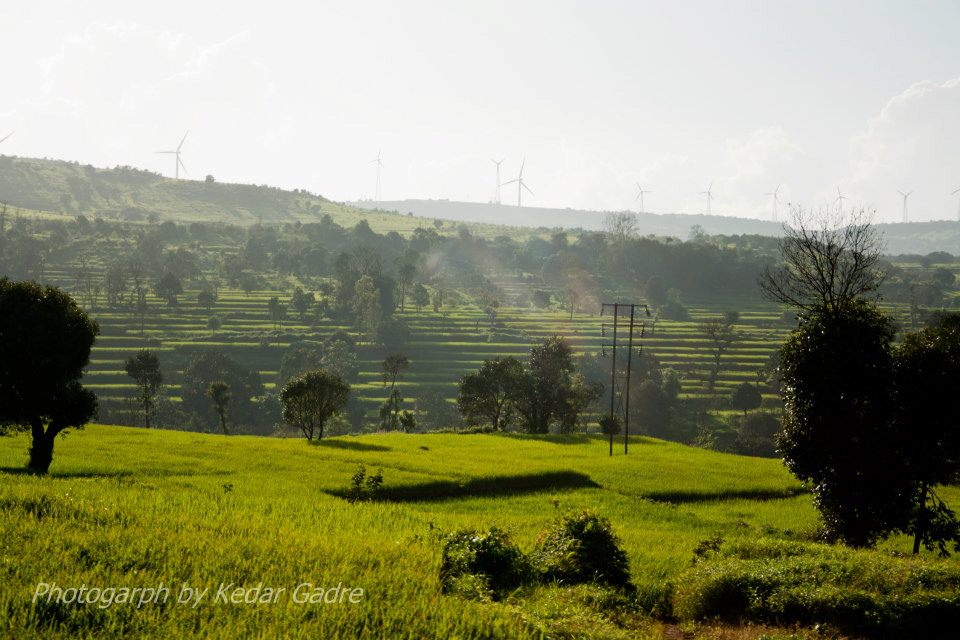
Kaas is naturally covered on flower beds during Late August and early September weeks, the bloom remains for about 2-3 weeks and is dependent on the preceding monsoon. Sometimes late or errant monsoon may cause shift in period of bloom. En route to Kaas is as beautiful and enchanting as the plateau itself. Green Sahyadri ranges covered in fog and large valleys with backwater from Koyna Project gets you connected with the nature in an instant. Before visiting the place itself I had heard that its a good place to meditate and after visiting the place itself I had no doubt about it. Peace, Calm, Natural Beauty and grounding enormous Sahyadri makes you feel stable and human again (for all those machines working in a city like me). We opted for a study tour conducted by Medha Karkhanis rather than visiting the place on our own, and our decision was wise. The place itself has lots of natural wonders, but not obvious to untrained eyes. Medha helped us understand those wonders and opened our eyes to a forgotten world, the way Nature works. She knew the flowers and plants found in and around Kaas, knew their specialties and showed us few marvels I had always wanted to see myself since I was a child.
You can see the bed of flowers moving with air in the video below,
We saw a flower called Vigna vexillata or locally known as Halunda. The flower has a bright spot on one of its petal where it wants the bee (pollinating agent) to sit or settle. The bright spot attracts the pollinating agent and assures that the pollinating agent would not settle on any other petal. The pressure on that very spot brings out the male stem out of a tiny tube in a way that it would touch the feet of the bee or pollinating agent. The pollinating agent then carries it from one flower to another causing pollination of the flower.
I wonder, that the flower itself has male part of reproduction (i.e.the pollens) and the female part of production, so in a way its complete in itself. Yet it is dependent on a pollinating agent or bee for its pollination. Complete yet imperfect. I think thats the way of nature. It reminds me a story from one of the R.K. Narayan books in Malgudi day series, that a sculptor creates a perfect looking god idol, and that god idol is so perfect that it becomes alive and causes destruction. I guess that why we all are made so imperfect, so that we have to depend on each other, and as a consequence live in harmony with each other accepting each others faults and shortcomings.
You can see a real demo of Vigna vexillata or Halunda in video below (please remember that if you come across this flower dont attempt similar thing on the flowers. This was done only for demonstration purpose to students, and only one flower was tormented during this video clip. If you do this same trick on many flowers, you would be wasting all those flowers' pollens, endangering that species in locality. Learn from nature, but dont harm it on your way to knowledge)
Another interesting plant we observed was Drosera indica. Its a carnivorous plant. I had always imagined these plants to be big in size (thanks to the fairy tales and cartoons portraying such plants). But this one was a tiny one and we would have never discovered it without the company of Medha and couple of her friends who knew these tiny details about the place.
You can see the way plant reacts to anything which come closer to it. On putting a stick near its tentacles, it grabbed hold of it with thin hair on tentacles. We also watched an ant walking on the tentacle, getting trapped by it slowly.
The last one I want to cover is Utricularia purpurascens. Though we did see lot many types of flowers, but I want to cover only those which were unique, rare and had some special characteristics. Utricularia purpurascens is also known as Sitechi Asawe in local language - Marathi. This is also a type of carnivorous plant (the flower looks too cute to be a carnivorous type!). They capture small organisms by means of bladder bladder-like traps. The plants have bladders. When some insect or organism passes by those bladders, the bladder door opens and sucks them in along with water. When the bladder is full, it closes the trap door.
Overall the place is worth visiting at least once. The sahyadri hill ranges, valleys, back water, abd lovely flower beds refresh and re-energize you. Below are some more pictures of Kaas flowers. Best time to visit is Sep, Oct every year. I recommend the study tour conducted by Medha Karkhanis too. She conducts these tours from Thane, here are her contact details if you are interested -
medhakarkhanis@gmail.com, 09820101869.
My special thanks to @Kedar Gadre for the lovely photographs I have included in this blog.
http://en.wikipedia.org/wiki/Kaas_plateau.
Kaas is naturally covered on flower beds during Late August and early September weeks, the bloom remains for about 2-3 weeks and is dependent on the preceding monsoon. Sometimes late or errant monsoon may cause shift in period of bloom. En route to Kaas is as beautiful and enchanting as the plateau itself. Green Sahyadri ranges covered in fog and large valleys with backwater from Koyna Project gets you connected with the nature in an instant. Before visiting the place itself I had heard that its a good place to meditate and after visiting the place itself I had no doubt about it. Peace, Calm, Natural Beauty and grounding enormous Sahyadri makes you feel stable and human again (for all those machines working in a city like me). We opted for a study tour conducted by Medha Karkhanis rather than visiting the place on our own, and our decision was wise. The place itself has lots of natural wonders, but not obvious to untrained eyes. Medha helped us understand those wonders and opened our eyes to a forgotten world, the way Nature works. She knew the flowers and plants found in and around Kaas, knew their specialties and showed us few marvels I had always wanted to see myself since I was a child.
You can see the bed of flowers moving with air in the video below,
We saw a flower called Vigna vexillata or locally known as Halunda. The flower has a bright spot on one of its petal where it wants the bee (pollinating agent) to sit or settle. The bright spot attracts the pollinating agent and assures that the pollinating agent would not settle on any other petal. The pressure on that very spot brings out the male stem out of a tiny tube in a way that it would touch the feet of the bee or pollinating agent. The pollinating agent then carries it from one flower to another causing pollination of the flower.
![]() |
| Vigna vexillata or locally known as Halunda |
You can see a real demo of Vigna vexillata or Halunda in video below (please remember that if you come across this flower dont attempt similar thing on the flowers. This was done only for demonstration purpose to students, and only one flower was tormented during this video clip. If you do this same trick on many flowers, you would be wasting all those flowers' pollens, endangering that species in locality. Learn from nature, but dont harm it on your way to knowledge)
Another interesting plant we observed was Drosera indica. Its a carnivorous plant. I had always imagined these plants to be big in size (thanks to the fairy tales and cartoons portraying such plants). But this one was a tiny one and we would have never discovered it without the company of Medha and couple of her friends who knew these tiny details about the place.
You can see the way plant reacts to anything which come closer to it. On putting a stick near its tentacles, it grabbed hold of it with thin hair on tentacles. We also watched an ant walking on the tentacle, getting trapped by it slowly.
The last one I want to cover is Utricularia purpurascens. Though we did see lot many types of flowers, but I want to cover only those which were unique, rare and had some special characteristics. Utricularia purpurascens is also known as Sitechi Asawe in local language - Marathi. This is also a type of carnivorous plant (the flower looks too cute to be a carnivorous type!). They capture small organisms by means of bladder bladder-like traps. The plants have bladders. When some insect or organism passes by those bladders, the bladder door opens and sucks them in along with water. When the bladder is full, it closes the trap door.
![]() |
| Utricularia purpurascens or locally known as sitechi asawe |
Overall the place is worth visiting at least once. The sahyadri hill ranges, valleys, back water, abd lovely flower beds refresh and re-energize you. Below are some more pictures of Kaas flowers. Best time to visit is Sep, Oct every year. I recommend the study tour conducted by Medha Karkhanis too. She conducts these tours from Thane, here are her contact details if you are interested -
medhakarkhanis@gmail.com, 09820101869.
My special thanks to @Kedar Gadre for the lovely photographs I have included in this blog.
![]() |
| Kaas Pathar, Satara - flowers |
![]() |
| Valley near Kaas, Satara |
![]() |
| Flower bed, Kaas Plateau |
![]() |
| Sahyadri ranges near Satara |
![]() |
| Thoseghar waterfall |
Labels:
attract pollinator,
carnivorous flowers,
carnivorous plant,
Drosera indica,
halunda,
insect eating plants,
insectivorous plant,
kaas flowers,
kaas plants,
sitechi asawe,
Utricularia purpurascens,
Vigna vexillata
Location:
Kaas, Maharashtra
Sunday, June 3, 2012
Chai and why - Venus transit
Been to Chai and why and the topic today was Transit of Venus next week. 'Chai & why' is an event organised by TIFR, it takes place at Prithvi theater, Juhu, first Sunday of every month. The speaker was so young and yet so thorough and brilliant at her topic, I was amazed by her. She is part of TIFR astronomy team and was part of the astronomy club in her college. She also advised kids to appear for the Olympiad exams taken all over India.
So the Venus is going to pass through between the Earth and the Sun. It happens only twice in a lifetime. It happened last time on 8 June 2004 and now happening on 6 June 2012. Basically it usually happens in a pair with 8 years gap. Next time it will happen after approx 121 years later and then 8 years and then 105 years and then 8 years and so on. So basically the pair happens either in June or December (alternately. i.e. This time the pair is in June, after 121 years the pair will happen in December and then after 105 years pair in December). The transit is nothing but Venus passing through the passage between the Earth and the Sun. It does pass through this passage every 1.6 years but we dont see it every time it does so. The reason is, the orbit of the Earth and that of Venus are not in same plain. They come in same plain only during above mentioned time lines.
So I was quite curious to ask the lady that if it is only matter of a planet passing through the passage between Earth and Sun, then why would it have any negative effect when the moon passes between Earth and Sun, i.e. during Solar Eclipse. As a growing up rebellious kid, I always had trouble believing in Solar eclipse is inauspicious or it has some negative effects on human beings and food. I never believed in all of this. But then came an argument that scientists believe that there are poisonous gases in atmosphere, which I couldnt just ignore or reject that easily. Attending today's lecture made me think again. If its just matter of Moon passing between the Sun and the Earth then why would it release any poisonous gases in environment. The speaker confirmed it. She gave it a whole new perspective. Ages ago when it would go dark during daytime out of nowhere for some time, people didnt have any justifications for the same, making them think that its something abnormal, and thats why the belief of solar eclipse being inauspicious. What about the food going wrong. Well the sudden temperature change during and after solar eclipse might have caused the food to go bad, convincing enough. So thats that. Its funny and sometimes disturbing how we just go on following some traditions, beliefs without ever challenging them or even thinking about them. We never try to connect our day-to-day life with the education we get or the science knowledge which is flowing freely around us.
Well I am still open if somebody still has a convincing argument about the solar eclipse as long as it makes sense in some way. But as far as I am concerned, next time I insist on following regular activities during solar eclipse, I will be 100% sure about what I am doing.
In general the experience of attending the 'Chai and why' was fantastic and now I think we will try and make it at least once in a month to either Prithvi theater on first Sunday of every the month or to Ruparel college third Sunday of every month. The crowd was enthusiastic and ranging from 8 years old to 55+. We also got to register for the Venus transit viewing through telescope happening at TIFR on 6 June 2012, looking forward to it.
Update: Due to clouds and rain, we couldnt watch the venus transit live. We had to be content with the live broadcast by NASA
So the Venus is going to pass through between the Earth and the Sun. It happens only twice in a lifetime. It happened last time on 8 June 2004 and now happening on 6 June 2012. Basically it usually happens in a pair with 8 years gap. Next time it will happen after approx 121 years later and then 8 years and then 105 years and then 8 years and so on. So basically the pair happens either in June or December (alternately. i.e. This time the pair is in June, after 121 years the pair will happen in December and then after 105 years pair in December). The transit is nothing but Venus passing through the passage between the Earth and the Sun. It does pass through this passage every 1.6 years but we dont see it every time it does so. The reason is, the orbit of the Earth and that of Venus are not in same plain. They come in same plain only during above mentioned time lines.
So I was quite curious to ask the lady that if it is only matter of a planet passing through the passage between Earth and Sun, then why would it have any negative effect when the moon passes between Earth and Sun, i.e. during Solar Eclipse. As a growing up rebellious kid, I always had trouble believing in Solar eclipse is inauspicious or it has some negative effects on human beings and food. I never believed in all of this. But then came an argument that scientists believe that there are poisonous gases in atmosphere, which I couldnt just ignore or reject that easily. Attending today's lecture made me think again. If its just matter of Moon passing between the Sun and the Earth then why would it release any poisonous gases in environment. The speaker confirmed it. She gave it a whole new perspective. Ages ago when it would go dark during daytime out of nowhere for some time, people didnt have any justifications for the same, making them think that its something abnormal, and thats why the belief of solar eclipse being inauspicious. What about the food going wrong. Well the sudden temperature change during and after solar eclipse might have caused the food to go bad, convincing enough. So thats that. Its funny and sometimes disturbing how we just go on following some traditions, beliefs without ever challenging them or even thinking about them. We never try to connect our day-to-day life with the education we get or the science knowledge which is flowing freely around us.
Well I am still open if somebody still has a convincing argument about the solar eclipse as long as it makes sense in some way. But as far as I am concerned, next time I insist on following regular activities during solar eclipse, I will be 100% sure about what I am doing.
In general the experience of attending the 'Chai and why' was fantastic and now I think we will try and make it at least once in a month to either Prithvi theater on first Sunday of every the month or to Ruparel college third Sunday of every month. The crowd was enthusiastic and ranging from 8 years old to 55+. We also got to register for the Venus transit viewing through telescope happening at TIFR on 6 June 2012, looking forward to it.
Update: Due to clouds and rain, we couldnt watch the venus transit live. We had to be content with the live broadcast by NASA
Sunday, April 29, 2012
Indian Common Mormon
Mom found some bugs on curry leaf plant. She identified them as caterpillars turning into butterflies. We put them into a plastic container. We were not sure of their category and what they eat. Initially we tried putting some leaves of random trees, but no success. Then we put the curry leaves and bingo!! All they eat is curry leaves.
After approx 10-12 days one of them started changing colour. It turned green in about 10-12 hours. Morning it was normal, black with white stripes, and evening it was completely transformed into green colour.
You can see both of them in two avatars in below picture, one of them is transformed into green caterpillar, while other is still to be transformed, though it has started showing green spots, starting to turn green.
I must say once it is transformed to green one, it looks very cute. Its been growing fast and eating much too. We usually put fresh curry leaves twice a day, and open the jar for fresh air. They are quite lousy and lazy, mostly laying around lazily when they are not eating curry leaves. The speed at which they eat those leaves is mind boggling. You can watch them eating leaves -
The typical life cycle of these caterpillars is about 4 -5 weeks. We found them about 6-7 times so far and have followed their life cycle closely from egg to a butterfly. Egg is very tiny one and you have to have keen observation skill to notice them. When the caterpillar comes out of an egg, firth thing it does is - eat the remnants of that egg. There are two reason for their doing so
a) They are very hungry when they come out and b) Not to leave any traces for a predator to know about their existence. How carefully nature has designed such things or probably the way every creature has evolved to survive.
Typically these caterpillars are just black and ugly for about 1-2 weeks and start turning green. At the time of turning green, they shed their skin and eat it immediately so that there are no traces. The green caterpillars get absolutely camouflaged in the tree leaves, and it is hard to spot them easily. Another adoption for survival.
Once they turn green, it takes another 1 - 1 1/2 week for them to go into a cocoon. The way they build cocoon is another amazing activity to observe. They attach lower part of their body to any available surface (it could be anything from a jar, a wall, a shady corner in house, or below a chair). Usually they prefer a place where they wont be noticed easily, again to stay safe from predators. And they turn upper part of their body outside making it look like a 'J'. They bind upper part of their body with two thin strings on each side. It takes good amount of it to fine tune those two strings and it is fun to watch them doing so. They stay in cocoon for another week to 10 days. I am told that they may remain in the cocoon for up to a year, if they sense any danger in coming out of it. Usually they come out of cocoon early morning and you better have them covered with a net or have them in a jar otherwise you might miss the butterfly. You can predict when the butterfly would come out by observing the cocoon every day. One day before coming out, the inner side of the cocoon turns black. A newly born butterfly takes about an hour to open its wings completely and be able to fly on its own. I used to wonder at how amazingly most the creatures (bugs, insects, birds, animals) become independent in short time after they are born while human child is dependent on its parents for so long time. But on a second thought I think its in proportion with the overall lifespan of the creature. I would love to find out more about this proportion for different bugs, animals, birds.
Surprise surprise!! The female butterflies are more beautiful than male ones. They have trendy and curvy wings and more attractive colours on their wings. There nothing like the joy of watching them fly freely around a tree full of bloom.
If you are planning to observe this life cycle, I would advice you to make sure that a cocoon is placed in a large container or net where it get enough space to open its wings fully. Its important that they open their wings fully in first hour, otherwise they might not open them properly later and you might repent hurting an innocent and beautiful life. Also please make sure that you set them free as soon as possible, as nobody loves living in captivation. We do all these activities just to study them, but follow many guidelines not to hurt them.
After approx 10-12 days one of them started changing colour. It turned green in about 10-12 hours. Morning it was normal, black with white stripes, and evening it was completely transformed into green colour.
You can see both of them in two avatars in below picture, one of them is transformed into green caterpillar, while other is still to be transformed, though it has started showing green spots, starting to turn green.
I must say once it is transformed to green one, it looks very cute. Its been growing fast and eating much too. We usually put fresh curry leaves twice a day, and open the jar for fresh air. They are quite lousy and lazy, mostly laying around lazily when they are not eating curry leaves. The speed at which they eat those leaves is mind boggling. You can watch them eating leaves -
The typical life cycle of these caterpillars is about 4 -5 weeks. We found them about 6-7 times so far and have followed their life cycle closely from egg to a butterfly. Egg is very tiny one and you have to have keen observation skill to notice them. When the caterpillar comes out of an egg, firth thing it does is - eat the remnants of that egg. There are two reason for their doing so
a) They are very hungry when they come out and b) Not to leave any traces for a predator to know about their existence. How carefully nature has designed such things or probably the way every creature has evolved to survive.
Typically these caterpillars are just black and ugly for about 1-2 weeks and start turning green. At the time of turning green, they shed their skin and eat it immediately so that there are no traces. The green caterpillars get absolutely camouflaged in the tree leaves, and it is hard to spot them easily. Another adoption for survival.
Once they turn green, it takes another 1 - 1 1/2 week for them to go into a cocoon. The way they build cocoon is another amazing activity to observe. They attach lower part of their body to any available surface (it could be anything from a jar, a wall, a shady corner in house, or below a chair). Usually they prefer a place where they wont be noticed easily, again to stay safe from predators. And they turn upper part of their body outside making it look like a 'J'. They bind upper part of their body with two thin strings on each side. It takes good amount of it to fine tune those two strings and it is fun to watch them doing so. They stay in cocoon for another week to 10 days. I am told that they may remain in the cocoon for up to a year, if they sense any danger in coming out of it. Usually they come out of cocoon early morning and you better have them covered with a net or have them in a jar otherwise you might miss the butterfly. You can predict when the butterfly would come out by observing the cocoon every day. One day before coming out, the inner side of the cocoon turns black. A newly born butterfly takes about an hour to open its wings completely and be able to fly on its own. I used to wonder at how amazingly most the creatures (bugs, insects, birds, animals) become independent in short time after they are born while human child is dependent on its parents for so long time. But on a second thought I think its in proportion with the overall lifespan of the creature. I would love to find out more about this proportion for different bugs, animals, birds.
Surprise surprise!! The female butterflies are more beautiful than male ones. They have trendy and curvy wings and more attractive colours on their wings. There nothing like the joy of watching them fly freely around a tree full of bloom.
If you are planning to observe this life cycle, I would advice you to make sure that a cocoon is placed in a large container or net where it get enough space to open its wings fully. Its important that they open their wings fully in first hour, otherwise they might not open them properly later and you might repent hurting an innocent and beautiful life. Also please make sure that you set them free as soon as possible, as nobody loves living in captivation. We do all these activities just to study them, but follow many guidelines not to hurt them.
Monday, February 13, 2012
Kanheri caves, Sanjay Gandhi National Park, Borivali, Mumbai
We visited Sanjay Gandhi National Park last Saturday. For the first time I came to know that Mumbai held such a historic place as Kanheri caves. It was an hours drive from Thane via Ghodbunder Road. National Park has a nominal entry fee of Rs. 25 per person and one can take own vehicle inside it by paying for its entry fee (Rs. 30 for a motorbike). Sanjay Gandhi National Park is around 40 sq. miles of jungle, nature, flowers, birds, animals, hills and valleys. I was surprised to find that from many parts of the hills, I could hardly see a very small portion of the cement jungle outside boundary of the national park. Lovely greenery, lake, birds, different varieties of flowers, trees, birds made me forget that I was in the most populated city Mumbai.
Initially our plan was to spend some time in Canheri caves and then start with one of the walking trails inside the park.
Canheri caves are more than 3-4 km away from the main entrance of the park. It has parking facility and couple of food joints with basic snacks, mineral water and cold drinks available in it. It also has many roadside vendors selling fruits in season and spicy cucumber. There is an additional charge of Rs. 5 per person to enter the caves. After reading the brief information at the entrance itself, we realised that it demands much more time to see the caves, and we would have to choose between caves and walking trail. Promising ourselves to return for the walking trails, we carried on to wards caves. The caves are from 1st century BC. There are about 110 caves which are carved by buddhist followers. Kanheri comes from a sanskrit word Krishnagiri, which means black hill. The most remarkable thing about the caves is their water cisterns outside all the residential caves, rainwater harvesting for water collection and to keep the caves cool and stairs carved in stone. Many of the rainwater harvesting channels are still existent, and give us an amazing idea of how brilliant those early days people were.
We were intrigued by the cave used for worship. There is a big stupa at the end of this hall, with many pillars on both sides. This might have been used as a classroom for buddhist students. The stupa had 12 small boxes in it at waist level, each precisely equal distance from each other. There were three types of pillars in it. Most of these caves maintain symmetry, while the pillars in this particular cave were symmetrical in number, the left hand side pillars of this stupa were only of two types, and pillars on right hand were of three different types, marking clear asymmetry. I wonder whether these pillars marked different levels of students of position of students or teachers based on their seating location.
There are some caves with statues of Buddha which might have been chapels for prayers. There are residential caves typically containing 2 rooms, inner rooms have a bed cut out of stone while some of the caves have sitting benches cut out of stone in outside rooms. The courtyards have steps to access these rooms, water tanks (which automatically collects rainwater through all the channels carved in the stones above all these caves) and round shaped stones hollow inside about size of less than a foot in diameter (wonder what must have been the purpose of these, maybe they were used as burners to boil water or cook food using burning wood). Some of these caves also have asanas (chair shapes) or some large sofa look alike to be used as seating benches carved in stone, offering a splendid view of the valley. We wondered what those people might be discussing in evenings while seating on these benches, maybe some spiritual discussions, or some local gossip! Some caves had statues as well as sitting benches with a room inside small for one person only. We couldnt really understand the purpose of these caves, and especially the purpose of these small rooms which are big enough for only one person to sit.
I found this interesting video about history of these caves - http://www.veoh.com/watch/v7071978efhj2aF6. All the symmetry maintained in the caves, shapes of the water tanks, perfect half circle just around the steps approaching the caves, made us believe that those people had good knowledge of geometry. Being an amateur in History, I am on my way to find out about all the intelligence these generations had in Ancient India, and where exactly we lost it.
On top of the hill there are some signs of caves, probably they were never completed or were destroyed with time. There are 3 massive water storage tanks, and some mid-size water tanks with steps attached to them. After spending more than 3 hours roaming through different caves and hills, we decided to return to the base. Strong sunshine tired us quickly than we had thought and shortage of water and food in our bags forced us to leave the caves with paintings unseen. I will surely return this place as it was exciting to visit these caves and try to imagine what the life must have been like in those times.
Initially our plan was to spend some time in Canheri caves and then start with one of the walking trails inside the park.
Canheri caves are more than 3-4 km away from the main entrance of the park. It has parking facility and couple of food joints with basic snacks, mineral water and cold drinks available in it. It also has many roadside vendors selling fruits in season and spicy cucumber. There is an additional charge of Rs. 5 per person to enter the caves. After reading the brief information at the entrance itself, we realised that it demands much more time to see the caves, and we would have to choose between caves and walking trail. Promising ourselves to return for the walking trails, we carried on to wards caves. The caves are from 1st century BC. There are about 110 caves which are carved by buddhist followers. Kanheri comes from a sanskrit word Krishnagiri, which means black hill. The most remarkable thing about the caves is their water cisterns outside all the residential caves, rainwater harvesting for water collection and to keep the caves cool and stairs carved in stone. Many of the rainwater harvesting channels are still existent, and give us an amazing idea of how brilliant those early days people were.
We were intrigued by the cave used for worship. There is a big stupa at the end of this hall, with many pillars on both sides. This might have been used as a classroom for buddhist students. The stupa had 12 small boxes in it at waist level, each precisely equal distance from each other. There were three types of pillars in it. Most of these caves maintain symmetry, while the pillars in this particular cave were symmetrical in number, the left hand side pillars of this stupa were only of two types, and pillars on right hand were of three different types, marking clear asymmetry. I wonder whether these pillars marked different levels of students of position of students or teachers based on their seating location.
There are some caves with statues of Buddha which might have been chapels for prayers. There are residential caves typically containing 2 rooms, inner rooms have a bed cut out of stone while some of the caves have sitting benches cut out of stone in outside rooms. The courtyards have steps to access these rooms, water tanks (which automatically collects rainwater through all the channels carved in the stones above all these caves) and round shaped stones hollow inside about size of less than a foot in diameter (wonder what must have been the purpose of these, maybe they were used as burners to boil water or cook food using burning wood). Some of these caves also have asanas (chair shapes) or some large sofa look alike to be used as seating benches carved in stone, offering a splendid view of the valley. We wondered what those people might be discussing in evenings while seating on these benches, maybe some spiritual discussions, or some local gossip! Some caves had statues as well as sitting benches with a room inside small for one person only. We couldnt really understand the purpose of these caves, and especially the purpose of these small rooms which are big enough for only one person to sit.
I found this interesting video about history of these caves - http://www.veoh.com/watch/v7071978efhj2aF6. All the symmetry maintained in the caves, shapes of the water tanks, perfect half circle just around the steps approaching the caves, made us believe that those people had good knowledge of geometry. Being an amateur in History, I am on my way to find out about all the intelligence these generations had in Ancient India, and where exactly we lost it.
On top of the hill there are some signs of caves, probably they were never completed or were destroyed with time. There are 3 massive water storage tanks, and some mid-size water tanks with steps attached to them. After spending more than 3 hours roaming through different caves and hills, we decided to return to the base. Strong sunshine tired us quickly than we had thought and shortage of water and food in our bags forced us to leave the caves with paintings unseen. I will surely return this place as it was exciting to visit these caves and try to imagine what the life must have been like in those times.
Subscribe to:
Posts (Atom)